5 Structural Welding Mistakes & Their Fixes

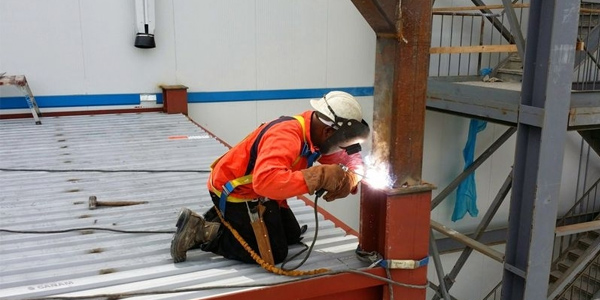
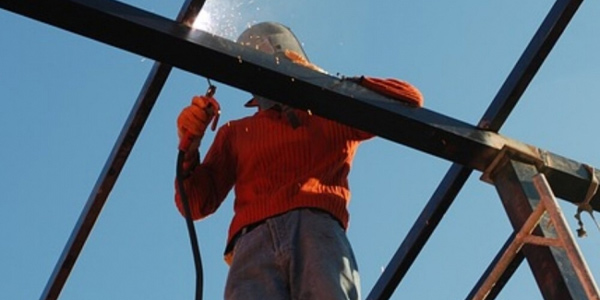
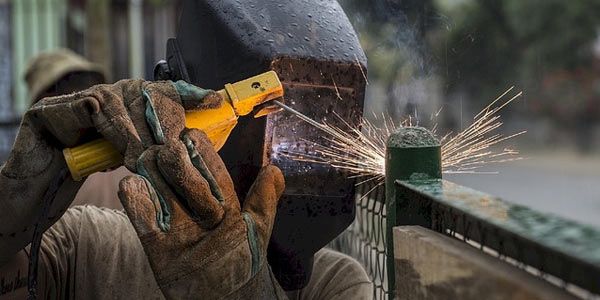
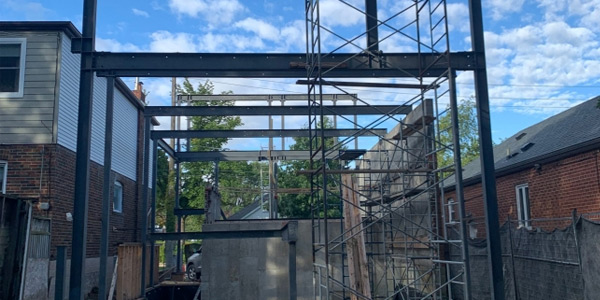
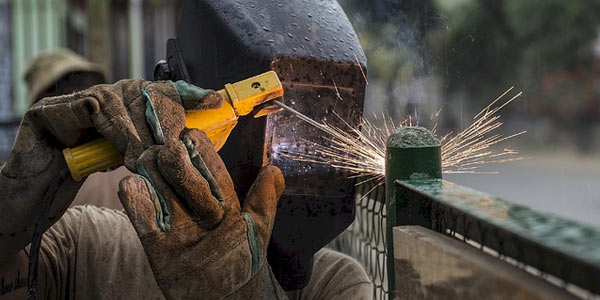
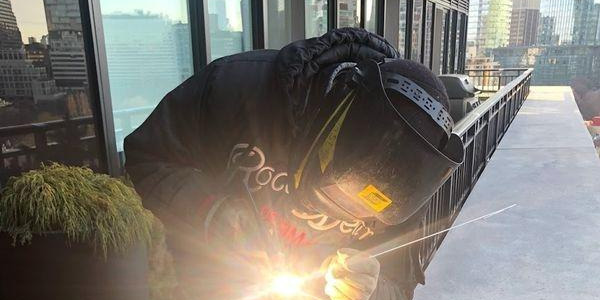
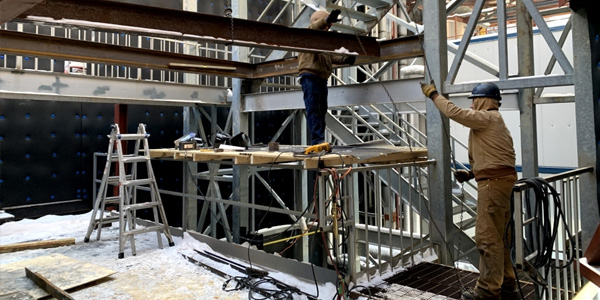
Whether you are building a high-rise or a home, no construction project is complete without structural welding. Calling it a critical component of construction will not be an understatement, as the longevity of your project depends on the quality of every weld that goes into its making. In fact, weld quality is critical for safety and compliance. That’s why avoiding common welding mistakes is crucial. Even a single one of them can eventually snowball into costly repairs or structural flaws, which can be fatal for the building in question.

At Weld Rich and Steel, we have witnessed the real risks and consequences of working with inexperienced welders. Now we have the expertise to counteract these risks. Here are 5 common structural welding mistakes and how our team can fix them.

1. Poor preparation and fit-up

Proper welding needs proper prepping. Rushing into a job and welding on surfaces that are not clean and aligned will directly impact its quality. The result? Joints that weaken too quickly, along with structural failures down the line.

How we fix this: Before kickstarting the process of structural welding, our expert welders thoroughly clean the surface, check the fit, and ensure the parts are positioned correctly. This ensures every arc struck does its job.

2. Using the wrong materials or techniques

Stick welding, MIG welding, and TIG welding – these are viable options that work well when used with the right material for the right job. Applying the wrong technique can lead to compromised welds. In fact, using the wrong combination of materials and methods can cause issues such as cracking or warping. There are also greater chances of ending up with welds that do not meet code requirements.

How we fix this: We treat every job with exceptional meticulousness, carefully matching material with technique, taking load requirements, environment, and code specifications into account to ensure every weld is of high quality.

3. Lack of skilled supervision

Hiring inexpensive welders might seem budget-friendly, but they tend to be inexperienced. The problem is that unskilled welders, when left unsupervised, are likely to make mistakes that might not be caught until a formal inspection is made. These mistakes include rushed work, uneven welds, and poor bead placement, all of which can cause structural failure.

How we fix this: CWB welding is our forte. Our certified welders ensure every job meets the strictest quality standards. They also double-check each weld to ensure it’s flawless.

4. Ignoring safety and code compliance

Cutting corners might seem like a great time-saving exercise for projects on a tight timeline, but skipping inspections can be very costly. Not only is it likely to result in heavy fines, but it might also pave the way for fatal outcomes as your building ages. It is important to nip this issue in the bud by inspecting every weld thoroughly.

How we fix this: To us, safety and compliance are not to be compromised on. Every weld is verified by our team against industry codes and standards to ensure your project passes inspection on the first go.

5. Inadequate quality control

Though rare, even experienced welders proficient at CWB welding can make mistakes. That is why it is critical to integrate quality checks into the process so the odds of weak spots, porosity, and incomplete penetration are minimized.

How we fix this: Consistent quality checks are part and parcel of our welding process, so you can count on every single weld to be sound, strong, and enduring.

Conclusion

When it comes to structural welding, taking risks should be out of the question. As you can see, even tiny mistakes can have catastrophic consequences. If you do not want to subject your project to delays or dangerous failures, you must partner with an experienced welder like Weld Rich and Steel. Investing in our expertise will benefit your project in more ways than one. Contact us to get the best structural welding in Toronto.

5 Common Mobile Welding Toronto Myths Debunked

One of the most practical ways to get emergency welding and metal fabrication work done onsite, mobile welding in Toronto does not get as much credit as it should – even though it offers plenty of benefits. General contractors and property owners still think twice before calling them in. Why? Because of outdated perceptions that should be put to rest now.

That is exactly what we are going to do in today’s blog. At Weld Rich and Steel, we believe it is time to bust common mobile welding myths so that this useful service gets its fair share of long-overdue recognition.

Myth 1: Mobile Welding Is Only Necessary For Emergencies

Fact: While mobile welders in Toronto might be generally called in for emergencies, their usefulness extends far beyond that. Having them on-site can help contractors tackle several critical tasks speedily and effectively. From welding metal staircases onsite to fixing railings after the framing is complete and joining structural steel where prefabrication is not an option, the value of mobile welders is undeniable. Think of them, not merely as problem-solvers, but as enablers who keep your project on track.

Myth 2: Mobile Welding Is Of Low Quality

Fact: Truth be told, the quality of the welding depends entirely on the skill of the welder you hire, not on the location where it is carried out. If you resort to unqualified welders to save a quick buck, chances are the results will be of poor quality. However, if you turn your sights to certified welders like Weld Rich and Steel, the converse is inevitable.

Before sending out our mobile units to your site, we equip them with industrial-grade tools and shielding gas to ensure quality results. We also send our best welders who follow the same techniques as our shop welders. You can count on us for efficient and precise mobile welding. We do not take the “quick and dirty” approach ever.

Myth 3: Mobile Welding Is More Expensive Than In-Shop Services

Fact: When it comes to mobile welding in Toronto, the opposite is true. Highly cost-effective, especially if you take logistics into account, you do not have to worry about transporting heavy steel components back and forth. Neither do you have to stress over delayed timelines, which are likely if you send your components for in-shop services. Instead, mobile welders save you time and money by doing the work you need them to at the location you want them to. There is no risk of damage or time and money loss this way.

Myth 4: Scheduling A Mobile Welding Visit Is Complicated

Fact: No, it is not. All you need to do is call a reliable mobile welder in Toronto, like Weld Rich and Steel, and everything will be smooth sailing. We know how a typical jobsite works and how critical it is to maintain timelines. That is why we never delay when called. Instead, we work closely with your construction site’s manager or your facility’s key operator to set up and complete the job at hand – all within your timeline and your budget. Minimum disruption is guaranteed with us.

Myth 5: Mobile Welding Is Suitable For Large Jobs Only

Fact: Small-scale fixes stand to gain the most. From failed hinges to broken railings as well as minor modifications for prefabricated structures, mobile welding in Toronto offers a fast and safe fix for them all. It eliminates the need for replacing faulty units. Neither do you have to resort to risky DIY fixes and methods. Nothing quite compares to mobile welding for small jobs.

Conclusion

The truth of the matter is, you need mobile welders in Toronto. Whether you are a property owner, a construction manager, or a facility operator, resorting to this handy service can help you sort out emergency repairs, onsite modifications, custom metalwork installation, retrofitting tasks, and a lot more.

So instead of treating it as a backup plan, make sure you incorporate it as a core component of modern fabrication and construction workflows. Weld Rich and Steel is always here to provide you with Toronto-wide welding services you can fall back on. Contact us to learn how our certified mobile welders can simplify your project.

Debunking 6 Common Structural Welding Myths

An indispensable part of the construction industry, structural welding is responsible for holding together buildings, bridges, and more. However, despite their significance and the bevy of rigorous standards that govern their application, myths about them still abound.

Unfortunately, misconceptions concerning structural welding can lead to a host of issues, including poor practices, underestimation of associated risks, and avoidable accidents. That’s why it’s important to educate yourself about them so you can arm yourself with the knowledge of the truth and prevent any of the issues we just mentioned.

Let’s begin!

Myth #1: Every weld is the same

No two welds are the same, and that’s a fact. The similarities between them stop at their appearance as they differ quite a bit in terms of strength and quality. That’s not the only difference between them. From the composition of the base metal to the filler material as well as the welding technique used – each of them serves as a crucial point of difference. What’s more, the surrounding environment as well as the position of the weld also serve as key distinguishing factors.

For example, in the case of structural applications (particularly the kind where poor welding can lead to a potential catastrophe), it is crucial for each weld to meet certain standards such as CSA W59. Visual inspection is not enough to determine if the particular weld meets these standards. To validate its performance, it is critical to conduct ultrasonic testing (UT) or radiographic testing (RT).

Myth #2: Welding is the simple action of fusing two metals together

It is far more complex than that. Truth be told, the process of structural welding is a science rooted in metallurgical compatibility. It should account for heat input, thermal expansion, joint design as well as potential defects, so the resultant weld is strong enough to stand the test of time.

Besides, welding also involves choosing the most suitable method for each project – be it SMAW (stick), FCAW, GMAW (MIG), or GTAW (TIG). Only certified welders have the knowledge and expertise required to make the right choice for each project.

Myth #3: Strength is the measure of the quality of the weld

Strength is an obvious quality, but in structural welding, “stronger” doesn’t always translate to “better”. Overwelding, in which the size of the weld is larger than what the design requires, can be a recipe for disaster in certain cases. The use of extra weld material can cause distortion and increase residual stress and costs without contributing positively in any shape or manner. In the case of structural applications, the goal should always be to meet the design intent to ensure efficiency and cost-effectiveness.

Myth #4: Welding is the fix to all structural issues

Flattering as it may sound, welding isn’t a cure-all. Instances where welding is not a suitable option include structures that are fabricated with low-quality materials, are poorly designed or are heavily damaged. Trying to fix these issues with welding can lead to a reduction in the integrity of the structure or it may worsen the existing issue. It is crucial to assess the components in question before deciding if welding is the right solution.

Myth #5: Preheating and post-welding heating are unnecessary

Both post-weld heat treatment (PWHT) and preheating are an unskippable part of the process. Omitting them can adversely impact the joint, leading to issues such as high residual stress, cold cracks, or brittleness. Especially in the case of alloys or high-carbon steel. Heat treatments are very much necessary and ensure compliance while preventing premature failure.

Myth #6: If the weld holds, it’s good

Just because a weld is holding now doesn’t mean it will hold well in the long run. Especially if it’s regularly exposed to dynamic or seismic loads. A strong emphasis on quality is critical to extending the lifespan of a weld. It is important to hire qualified structural welders and meet both regulatory and project-specific requirements to guarantee long-lasting results.

Conclusion

Precision, science, and safety form the foundational principles on which welding rests. Busting common myths and doing the job right is key to protecting the structure as well as people’s lives by averting premature failure. If you’re looking for trustworthy structural welding in Toronto, you can lay your hunt to rest with Weld Rich and Steel. Our qualified welders are experts in meeting project requirements and strict compliance standards. Contact us to discuss your welding needs and to set up an on-site visit.

Metal Vs. Wood Staircases For Commercial Spaces: Why Metal Wins

When it comes to indoor staircases, the common notion is that wood is better. However, it is not always the absolute, irrefutable truth. While wooden staircases bring their own advantages, they often fall short when compared with their metal counterparts. Not only is maintaining metal staircases easier, but they might also score higher in aesthetic appeal, despite wood’s classic charm.

In this blog, we will show you why more commercial property owners and builders are ditching wood in favor of metal for indoor staircases. Let us begin!

Advantages Of Metal Staircases For Office Use

1. Durability and longevity

With wood, wear and tear are inevitable. Expect to see a couple of cracks here and there, along with signs of rotting, warping, or swelling. Especially if the office is located in a particularly humid environment or climate. Plus, with the generally high-traffic of commercial spaces, wooden stairs will show early signs of wear.

In contrast, metal staircases display incredible strength in the face of time and traffic. Resistant to everyday abuse, they do not suffer from cracks or warp, or rot that easily. If you get yours from a trusted fabricator, they will provide you with galvanized or powder-coated stairs that resist rust and corrosion.

2. Maintenance

Maintaining wooden staircases is far from a cakewalk. You have to sign them up for regular sealing, staining or painting to ensure moisture or insects do not damage them. Frequent refinishing is also critical if you want to hide the signs of wear or the unavoidable scratches and scuffs.

On the other hand, maintaining metal stairs is very easy. Occasional cleaning and inspection are enough to keep them spick and span. If you get stairs that have been coated or painted, you can be rest assured that a touch-up will not be required for a few years. Lower upkeep also makes them more budget-friendly, which is a boon for commercial property owners.

3. Aesthetics and versatility

There is no denying that the traditional and warm look of wood complements the aesthetics of commercial spaces with a more rustic or Scandinavian vibe. While covering them with stains or paints can give these stairs a different look, their design versatility is somewhat limited.

However, if you choose a reliable structural steel fabricator, you can customize your metal staircase to your heart’s content. Coming in various shapes – from spiral to U-shape, L-shape, floating or curved – metal staircases can imbibe the aesthetic you want them to. You can also pair them with wood or glass to create an interesting look. Not to mention, they can be powder-coated in practically any color.

4. Space-saving abilities

For compact commercial spaces, wooden staircases might not be the best choice due to their space-consuming nature. They need extra structural support, thus limiting available layout space for the rest of the office.

There are no such troubles with metal staircases. Their inherently flexible nature allows for open-riser designs, which can save builders and property owners a ton of physical and visual space. Floating staircase designs are another great choice for offices with lower square footage or open designs.

5. Environmental impact

Though a renewable resource, the use of exotic hardwoods cannot exactly be termed as sustainable. Besides, overharvesting of wood can also be a contributing factor to deforestation. Let us not forget that wood waste from fabrication projects is typically not recyclable.

If sustainability is important to your project, opting for metal staircases might be more sensible. Steel is not only recyclable, but it is often made of recycled content itself. Moreover, it comes with a longer lifespan, thus eliminating the need for frequent replacements and the use of extra materials.

Conclusion: Go Metal For Your Staircases

Though a traditional favorite, it is time to retire wood as your number one choice for indoor staircases. Metal staircases prove to be a more practical choice in the long run as they are stronger and require less maintenance. They also offer immense design flexibility, which means you can have them in any design or color you like.

So whether you are a builder taking on a custom commercial project or a property owner renovating their current office, Weld Rich and Steel’s metal staircases will be a great addition to your space. Contact us today and let us discuss how we can bring your unique staircase ideas to life.

When To Use W-Beams, I-Beams & Channels In Steel Construction

The significance of using the right type of structural beam for any construction project cannot be stressed enough. Your entire project’s performance and cost-efficiency are heavily dependent on the use of the right steel profile at the right spot. No matter if you’re installing mezzanines, framing a commercial building or working on a custom residential structure.

While there are many beam types, W-beams, I-beams, and C-beams or channels are the most commonly used shapes in steel construction. You need to know when to use which of these. This blog talks about just that – detailing their strengths, differences, and ideal use-case scenarios.

W-Beams: The Structural Champion

Wide-flange beams are a class apart when it comes to strength. As their name suggests, they have wide and flat flanges coupled with nearly identical webs, which is the prime reason behind their robustness. What sets W-beams apart from I-beams is that the latter is equally thick throughout the flange and web. They are widely requested by contractors from metal fabrication in Toronto.

Primary Application:

W-beams can be used to:

  • Support main structures in large buildings
  • Industrial mezzanines and bridges
  • High-load spots
  • Long-span structural framing

What makes them work:

Capable of efficiently handling loads across vertical and horizontal planes, W-beams are ideal for high-strength, high-traffic applications such as multi-story commercial buildings. W-beams are also resistant to bending and twisting owing to their wide flanges. So if strength and stability are paramount parameters for your project, especially over long spans, you cannot go wrong with W-beams.

I-Beams: On Light To Medium Load Duty

If you think I-beams are the same as regular standard beams, you are right. As steel structure fabricators, we can certify that they are synonymous. As for their flanges, they are typically narrower when compared to those of W-beams. In fact, what gives them their signature I-shape is the thinness of their webs in relation to their height.

Primary Application:

  • Residential construction – especially when it comes to basement headers and beams
  • Shorter spans in commercial spaces
  • Light support structures, along with platforms and frames

What makes them work:

Lighter in weight than their wide-flanged counterparts, I-beams are relatively easy to handle and can be used for small-sized projects. Even mid-sized projects do well with I-beams since they offer great performance in vertical loading scenarios. However, if your project demands torsional or lateral forces, you should opt for W-beams. They are more suitable for such instances. That said, if cost and ease of installation are non-negotiables, I-beams can more than serve the purpose with their solid performance and inexpensive price.

C-Channels: The Most Flexible Option

Or simply channels. Their C-shaped structure gives them their name. It’s actually a C-shaped cross-section that is made up of two flanges on one side, along with a single web. The result? The lightest and most flexible beam out there that serves a host of different applications.

Primary Application:

You can use channel beams for the following structures:

  • Framing support and wall structures
  • Bracing systems and roof purlins
  • Stair stringers and trailer frames
  • Decorative steel elements or exposed features

What makes them work:

Scoring high on the affordability factor, channels are very easy to fabricate. This makes them ideal for applications that do not require full structural capacity. They work well as secondary supports and can be used to reinforce a structure along with other beams. If you’re planning to add C-channels to your structure, be mindful of where you place them. Putting them in spots with moderate loads and with a lower need for torsional resistance is ideal.

Conclusion: Choose The Right Beam

From load-bearing requirements to visual aesthetics, your project will have its unique demands, and that extends to the beams you use. Choosing the wrong beam can pose a safety threat while causing performance issues and increased costs.

That’s why we at Weld Rich and Steel go a step beyond fabrication. We take the time to consult and collaborate with our clients before we can engineer exceptional solutions that sync with the scope and complexity of each project. Contact us and let our expert team guide you towards the correct beam type while delivering precisely fabricated structures for your project.

Mild Steel, Stainless, Or Aluminum: Which Is Best For Your Custom Staircase?

While many important decisions take place in the background when designing a custom staircase, one of the most significant ones is your choice of metal. It’s true that customer preference will play a part, but it is important to inform your clientele of their key options and related benefits before the final selection is made.

If you’re just starting out in the world of construction, this knowledge can be hard to come by. It requires years of experience to intuitively pick the best material for your client’s metal staircase upon a single conversation. However, you can get there and this blog is here to be your personal cheat sheet!

Let us show you how three main metal types – mild steel, stainless steel, and aluminum – stack up against each other in terms of durability, aesthetics and cost so you can make the best choice.

1. Mild Steel: A Cost-Effective Pick

Mild steel contains low amounts of carbon, which is what gives its name and also makes it quite malleable. Here’s how it fares on the durability, aesthetic and cost parameters.

  • Durability: When it comes to durability, mild steel is nothing short of excellent. It can withstand high loads with ease and can be safely used in residential and commercial settings. That said, be wary of rust as it is prone to it. But you can counteract that problem with proper finishing, be it galvanizing or powder coating.
  • Aesthetics: Mild steel has a clean look, almost industrial. However, it can be customized endlessly with the help of a paint job or coatings. Its customizability also extends to its design. Mild steel can be molded into any shape – from ornate and decorative to minimalistic and modern.
  • Cost: Of all the three metals listed in this blog, mild steel is the most affordable, which makes it apt for tight-budget projects!

Mild steel can be used to create indoor staircases and spiral stairs. Resort to it if cost-control is high on the list.

2. Stainless Steel: Low-Maintenance Champ

Enriched with chromium, stainless steel is tough as nails while being highly versatile too. That said, it comes in various grades so it’s important to be mindful of the variety you choose based on your project requirements.

  • Durability: A chart-topper when it comes to corrosion resistance, stainless can be safely used to make both indoor and outdoor staircases. Moreover, it requires minimum maintenance and can easily withstand regular exposure to humidity.
  • Aesthetics: Sleek and polished, a steel staircase can upscale the design of any project. Its modern aesthetic matches very well with glass and wood, creating a luxurious effect that fits well into homes, offices and public spaces.
  • Cost: It’s a touch more expensive than mild steel. However, stainless steel makes up for its price tag with its premium look and advanced corrosion resistance. Not to mention, its low maintenance and longer lifespan.

Use it freely for all kinds of modern or high-end projects. Especially those that require rust-free materials.

3. Aluminum: Ultra Modern & Lightweight

Highly ductile and lightweight, aluminum finds use everywhere – from foils and wraps to airplanes and your phone. When it comes to staircases, though, here’s what you need to know.

  • Durability: It may not be very strong but its corrosion resistance is at par with stainless steel. You can safely use it to build outdoor staircases. Plus, it’s easy to install and keeps the load on supporting structures to a minimum.
  • Aesthetics: Aluminum’s signature matte and frosted look enjoys mass appeal. That said, it can be anodized or powder-coated to achieve different kinds of finishes. Floating stairs look particularly good in aluminum.
  • Cost: When it comes to affordability, aluminum is right in the middle of mild steel and stainless steel. So it’s relatively affordable and can lead to cost savings since it’s easier to transport.

Aluminum works well in marine environments and is great for contemporary projects.

Conclusion

Choosing between the three requires a careful assessment of your project’s requirements. You already know the best use case scenario for each. But we know that as a contractor, you might require some extra help in picking the right metal. And that’s what Weld Rich and Steel is here for! From fabrication to installation, we can help you create staircases that stand the test of time. Contact us today to get started with your custom staircase project.

Understanding The Importance Of CWB Certification In Welding

It’s a fundamental fact that quality and safety are non-negotiables when it comes to structural welding. The strength, durability and safety of an entire metal structure rests upon the integrity of each weld – be it a downtown highrise or a commercial warehouse.

At Weld Rich and Steel, we understand that better than anybody else. That’s why we prioritize expertise when handling your projects, putting them in the safe and skilled hands of our CWB-certified welders.

In this blog, we will walk you through what CWB certification is and why it matters. Let’s begin!

What does it mean to be CWB Certified?

To begin with, let’s discover what CWB stands for. An acronym for the Canadian Welding Bureau, CWB is a national organization whose primary responsibility is to set and maintain welding standards that are diligently followed all across Canada.

CWB holds the authority to certify both companies offering welding services as well as individual welders. When certifying either one, CWB ensures they also meet the standards set by CSA (Canadian Standards Association). A CSA standards clearance ensures that welders have earned the necessary qualifications to carry out specific welding types with specific materials while meeting a set of predefined parameters.

All said and done, a CWB welding certification is proof that your chosen welder has the skills required to perform high-quality work. It also denotes that they meet the necessary requirements for safety.

Why does CWB certification carry weight?

Being CWB certified is critical for conducting welding tasks in Canada safely and efficiently. Let’s explore the reasons that make it an indispensable part of structural welding.

1. Guarantees consistent workmanship

Structural welding is not as easy as it looks. It requires deep technical knowledge as well as skill and precision. CWB welders are often subjected to regular testing. This ensures they continue to have a high level of competency. Since their work is subjected to strict inspection, clients can be sure every single weld is up to code. Not to mention it is also solid and consistent.

At Weld Rich and Steel, we ensure that all our welders are well-versed with the latest CSA standards and are certified accordingly. You can count on their work to be of high quality, whether they’re fabricating staircases, structural beams, railings or even custom components.

2. Complies to legal requirements

In Canada, most large-scale projects mandatorily require CWB welding. This is also true for public buildings or the installation of large structures in public spaces. Before work begins on such projects, it is compulsory for engineers, architects and contractors to submit their proof of certification. So if you are planning a project that meets all structural and legal requirements, you can turn to our CWB-certified welders. They will help you prevent costly delays and reworks while ensuring that your project meets building codes.

3. Improves workplace safety

High-quality welding is paramount for all projects. Poorly welded structures are prone to collapse, which not only compromises public safety but can also lead to injuries. Or worse, fatalities. Fortunately, CWB-certified welders have the training required to ensure no mistakes are made, thus minimizing risks while enhancing safety. That said, our professional welders ensure that every joint is strong and long-lasting, thus boosting safety.

4. Reflects a company’s commitment to quality

You can be sure that companies that prioritize certifications are committed to excellence. To them, it’s about doing the job right and not just meeting minimum requirements. They want to deliver quality that exceeds expectations and stands the test of time. That’s exactly the culture we follow at Weld Rich and Steel. For us, it’s not just a trade, it’s a craft that we continue to hone by regularly training and testing our team, ensuring they have the latest certifications under their belt.

Conclusion

We believe that precision is everything and that cutting corners only leads to unnecessary and avoidable risks. If you want your next project to excel in terms of structural integrity, you need to opt for Weld Rich and Steel’s certified CWB welding services. Contact us to learn how our certified team can perform a wide variety of tasks for you – from onsite mobile welding to structural steel fabrication and more.

The Functional And Aesthetic Benefits Of Custom Metal Staircases

It’s a misconception that metal staircases are best suited to industrial spaces. They look just as good in residential and commercial buildings, offering a ton of benefits such as durability, flexibility, and longevity. Whether it’s a sleek and modern staircase for a luxury home or a heavy-duty one for industrial settings, custom metal staircases can be tailored to meet the specific requirements of individual projects. Let’s take a look at the many functional and aesthetic benefits these staircases bring to different settings, making them an excellent investment.

The Aesthetic Advantages of Metal Staircases

Metal staircases not only match the aesthetics of a space’s interiors but can also enhance its aesthetic appeal. Here’s how they contribute to the decor of the spaces they become a part of:

1. Sleek and modern appearance

Contemporary by design, metal staircases can perfectly complement modern architectural elements. They can also adapt to a wide variety of interior design philosophies – from minimalist to maximalist – depending on the finishing and fabrication options chosen. For example, a matte black powder coating finish is perfect for industrial settings, while a polished stainless steel look matches the vibe of a sophisticated office.

2. Customization options

Whether one opts for a steel staircase or an aluminum one, the design possibilities are endless thanks to custom fabrication. Some of the popular staircase styles that have been widely used include:

  • Floating staircases: Minimal with an open-concept appearance, these are held together with concealed structural supports.
  • Spiral staircases: Suitable for all kinds of spaces, spiral staircases can be a real space-saver while adding a unique flair to both homes and offices.
  • Industrial staircases: These heavy-duty staircases are commonly found in warehouses. Their bold and raw metal look adds to their strength and durability.
  • Glass and metal combinations: Perfect open-concept offices and homes, the combination of glass railings with metal staircases enhances the flow of natural light.

3. Several finishes to choose from

Custom metal staircases come in a wide variety of finishes, offering homeowners and builders the flexibility to match their appearance with the aesthetics of their space. Here are some common options:

  • Powder-coated finishes enhance the durability of the staircase while offering different color choices.
  • Brushed steel finish which lends a clean and industrial look to commercial spaces.
  • Weathered or patina finishes that are suitable for residential spaces, give them a quaint, rustic look.
  • Decorative elements such as laser-cut designs for a unique and personalized appearance.

The Functional Benefits Of Metal Staircases

Be it steel staircases or those made of other metals, they offer several functional benefits that can make them the perfect choice for anyone looking for a low-maintenance option. Let’s explore:

1. Excellent durability

Wood and concrete staircases don’t last forever. But metal staircases can. Well, almost. Built to last, these staircases offer high-weight bearing capacity which makes them perfect for warehouses and other industrial settings. They are also resistant to cracking and warping and do not suffer termite damage like wooden ones do. Moreover, they are fire-resistant, which adds an additional layer of safety and durability.

2. Efficient space management

Steel staircases are the perfect choice for compact spaces. Using designs such as spiral or cantilever is a sensible decision for buildings or homes where traditional staircases do not have enough space to fit. Their slim profile further adds to the openness and airiness of any space.

3. Easy to maintain

Minimal upkeep is the motto with metal staircases. A quick clean-up with a mild detergent and damp cloth is enough to keep them as good as new. Plus, there’s no risk of pests and rots unlike wooden staircases, which are prone to both. What’s more, the powder coating ensures corrosion resistance, thus eliminating the need for frequent polishing.

Conclusion

Offering the perfect blend of style and strength, metal staircases are a great addition to all kinds of spaces. If you’re looking to add custom metal staircases to your next project, Weld Rich and Steel has tons of design options for you – from straight to winder to curved and more. Contact us today to get staircases that excel in craftsmanship and are tailored to the specific needs of your project.

Top 5 Industries That Gain From Mobile Welding Services In Toronto

Gone are the days when you had to take your items to a workshop for a much-needed welding session. With the advent of mobile welding in Toronto, you can now get access to the equipment and expertise you need anytime, anywhere.

Mobile welding services shine when it comes to convenience, flexibility and cost-effectiveness. While these benefits extend to all jobs they cover, certain industries stand to benefit more than others from the many advantages mobile welding brings. Let’s explore:

1. Construction Industry

Welding is a critical part of the construction industry and is required for several tasks including the making of railings, staircases, structural steel frameworks and more. Since the construction industry primarily deals with heavy-duty work, transporting these large-scale structures to a welding shop can be both impractical as well as impossible. However, mobile welding can fix that by offering the following onsite services:

  • Metal railing and staircase installation
  • Pipe and pipeline welding
  • Repairs of heavy construction equipment and machinery
  • Structural steel welding

Employing the services of mobile welders at construction sites can prevent unnecessary delays, thus helping builders stick to timelines while staying within budget.

2. Manufacturing & Industrial Plants

Both manufacturing plants and industrial facilities rely on welding for a host of applications such as maintenance, repairs, and parts fabrication. Timely services are of critical importance in this sector as even a minute of downtime can lead to costly losses. Fortunately, mobile welders in Toronto can fix emergencies with prompt services such as:

  • Repairing or modifying damaged equipment
  • Reinforcing conveyor belts for smooth operation
  • Conducting custom metal fabrication suited for production lines
  • Installing safety railings or fixing broken ones

From minimizing downtime to ensuring seamless operations, mobile welding can be a life-saver for manufacturing and industrial plants.

3. Automotive & Heavy Equipment Repair

As far as the automotive and heavy equipment industries are concerned, some of the objects that require strong welding  include vehicle frames, large machinery and trailers, among others. In fact, mobile welding in Toronto and Ontario can be particularly useful for the following:

  • Repairs of heavy trucks and trailers
  • Repairs of agricultural and construction equipment
  • Conducting regular fleet maintenance for the transportation industry
  • Offering custom metal fabrication services to carry out vehicular modifications

Several businesses in this realm depend on the equipment they have for day-to-day operations. For them, mobile welding is the most effective way to fix damaged parts, thus reducing instances of downtime-related delays, which can be quite costly.

4. Oil & Gas Industries

For oil and gas industries, equipment such as pipelines, metal structures and drilling rigs are a part of their daily operations. Each of these components is highly likely to require welding services from time to time, whether it’s for repair or maintenance purposes. Since most oil and gas facilities are set in remote locations, the need for mobile welders serving the Toronto area and beyond increases for them. Especially for:

  • Installing and repairing pipelines
  • Building structural components used in oil rigs
  • Maintaining and reinforcing equipment used onsite
  • Emergency services required onsite

Picking certified welders for working in oil and gas rigs is crucial as both these industries operate in harsh environmental conditions. Experienced welders with the right safety training ensure compliance with industry standards while delivering high-quality results one can rely on.

5. Agriculture & Farming

The need for mobile welding in agriculture and farming industries arises for the repairs and maintenance of equipment such as plows, tractors and irrigation systems. Here are some common services mobile welders can provide:

  • Barn and storage unit repair
  • Repairing gates, trailers and fences
  • Agricultural machinery reinforcement
  • Custom metal fabrication services for fixing broken farm tools and attachments

For farmers, hiring the services of mobile welders is the best way to keep disruptions to a minimum.

Conclusion

The benefits of mobile welding for each of these industries extend beyond convenience. The prompt nature of this service helps businesses maintain efficiency and reduce downtime. If your Toronto-based business is in urgent need of welding services too, you can depend on Weld Rich and Steel. As one of the best mobile welders in Toronto, our team of licensed experts can conduct the most complex repairs for you onsite. Call us today to learn about our welding and structural fabrication services.

How We Choose The Right Steel For Your Toronto Construction Project

As one of the leading structural steel fabricators in Toronto, we take great care to ensure that we choose the right steel for your construction project. We believe it is a critical decision that can impact the safety, durability as well as the cost-effectiveness of your project. Hence, before zeroing in on the right type of steel, we carefully consider a myriad of factors such as structural steel requirements, environmental exposure, and more to ensure that we truly make the best choice.

In this blog, we will detail the key factors we take into account before selecting the most appropriate type of steel for construction.

1. Load Bearing Capacity and Project Requirements

The requirements of a staircase as opposed to a bridge will be very different when it comes to the type of steel structure it needs, its purpose as well as its load-bearing capacity. For example, bridges require steel that can easily support both significant weight and stress repeatedly. However, smaller projects like erecting a staircase in a residential building may not need the same level of strength and reinforcement. That’s why our expert steel structure fabricators take the strength and properties of the metal into account before selecting the right type.

2. Corrosion Resistance

Toronto’s weather can pose challenges for steel-based construction. Harsh winters followed by bright summers give rise to wildly fluctuating temperatures as well as high humidity levels, leading to issues such as corrosion and rust over time. That’s why when working on projects that require exposed steel structures, we make it a point to use corrosion-resistant steel. We also go a step further by applying weather-resistant coatings on top to extend the steel’s lifespan.

3. Fabrication and Welding Ability

For custom shapes or projects that require extensive welding, we choose a steel type that is easy to fabricate and does not require much labor or time. This helps us in cutting unnecessary costs and increasing the affordability of the project. However, if your project requires preheated steel or the use of specialized welding techniques, it might drive up costs a little bit as it affects the complexity of the project.

4. Safety Regulations

As structural steel fabricators in Toronto, we know how important it is to ensure compliance with Canada’s safety regulations and building codes when choosing steel for your construction project. We make sure that the steel we pick not only meets the requirements of your project but is also compliant with the requirements for structural steel as laid down by the Canadian Standards Association or CSA. By using CSA-certified steel, we ensure that your project does not face legal issues or costly delays while adhering to safety guidelines.

5. Environmental Impact & Sustainability

The use of sustainable, eco-friendly materials has gained significance in the construction sector. Developers in Toronto prioritize working with materials that help reduce their carbon footprint. In this regard, sustainably sourced or recycled steel are good choices that keep environmental impact to a minimum while being just as strong and durable.

The Importance of Steel Treatments

The above factors aside, we also place considerable importance on enhancing the durability of the steel we use for various projects. This includes subjecting the steel to a variety of treatment methods and coating, which include:

  • Galvanization: In this process, our expert steel structure fabricators use a zinc coating to protect the steel against corrosion. It’s perfect for outdoor structures.
  • Powder Coating: Although powder coatings are meant to enhance the aesthetic appeal of steel, they also provide an extra layer of protection and durability.
  • Epoxy Coating: The purpose of adding this layer is to enhance the durability of the steel industrial settings, particularly where it is exposed to moisture or chemicals.

Conclusion

Selecting the right type of steel can extend the longevity as well as ensure the safety of your construction project – be it a high-rise building, a bridge, or a smaller residential project. That’s why at Weld Rich and Steel, we take every measure to ensure that your project is completed with the best type of steel possible.  As leading structural steel fabricators in Toronto, we excel at managing even the most complex projects. Contact us today to avail of our expert welding and metal fabrication services.

Request a Quote

File upload — image or sketch