
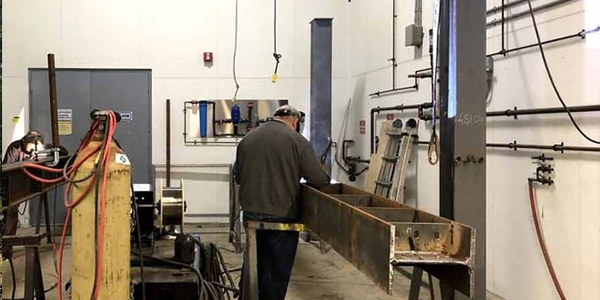
Metal fabrication is the invisible backbone of the construction industry. While concrete and wood have their places, structural steel and custom metalwork provide the strength, precision, and longevity that modern buildings require. In the Greater Toronto Area, where building codes are strict and weather conditions are extreme, the quality of metal fabrication can determine the overall success of a project.
Here are the four primary ways metal fabrication is transforming modern construction sites.
1. Structural Framing (The Skeleton)
The most critical application of metal fabrication is the creation of a building’s structural frame. Beams, columns, and girders are engineered to support massive loads while maintaining a relatively slim profile compared to concrete.
Why it matters: Steel frames allow for “open-concept” designs with fewer interior support columns.
Precision: Using CWB-certified welding and precision cutting, we ensure that every beam fits perfectly, which speeds up the on-site erection process and reduces overall labour costs.
2. Life Safety Systems: Stairs and Fire Escapes
In commercial and multi-unit residential buildings, metal fabrication is essential for safety. Custom-fabricated steel staircases and fire escapes are required to comply with the Ontario Building Code (OBC).
Durability: Unlike wood, steel stairs do not burn, rot, or warp.
Customization: Fabrication allows us to build everything from heavy-duty industrial emergency exits to architecturally stunning “floating” stairs for modern offices.
Protection: By applying finishes like hot-dip galvanizing, these structures remain rust-free even after decades of exposure to Toronto’s salt and snow.
3. Structural Retrofitting and Renovations
As the GTA grows, many older buildings require “retrofitting”—the process of strengthening an existing structure. Metal fabrication is the go-to solution for this.
Application: Replacing old, sagging wood beams with structural steel I-beams to create wide-open living spaces in residential renovations.
Reinforcement: Adding steel plates or channels to existing structures to support new, heavier rooftop HVAC units or additional floors.
Hybrid Use: Fabricating custom brackets and connectors that allow steel to integrate seamlessly with older masonry or timber frames.
4. Architectural and Secondary Steel (AESS)
Metal fabrication isn’t just for what’s hidden behind the walls. Architecturally Exposed Structural Steel (AESS) is used when the metalwork is a visible part of the building’s aesthetic.
Examples: Custom handrails, decorative bollards, glass-and-steel guardrails, and exposed mezzanines.
The Finish: These applications require a higher level of finishing, such as seamless grinding and high-quality powder coating, to ensure the metal is as beautiful as it is strong.
Why Choose Professional Fabrication?
The success of these four applications depends on two things: certification and experience. At Weld Rich & Steel, our fabrication process is backed by CWB certification, ensuring that every joint and weld meets the highest safety standards in Canada.