Weld Rich & Steel
structural welding company
structural welding company
Data centre steel fabrication & welding
Structural and miscellaneous steel fabrication, equipment supports, platforms, frames, railings, stairs and on-site welding for data centre construction and facility projects across Toronto, the GTA and Ontario.
Weld Rich & Steel supports contractor-led data centre construction, expansion, equipment installation and facility modification projects with fabricated steel components and on-site welding. These components are engineered to handle concentrated loads, vibration, and long-term operational stress while integrating seamlessly into existing structures.
Custom-fabricated steel supports are commonly used for HVAC units, piping systems, electrical equipment, machinery bases, and rooftop installations where standard off-the-shelf solutions are insufficient. Each support system must be designed with careful consideration of load paths, anchoring methods, material selection, and applicable Ontario building and safety requirements to ensure reliable performance and long-term durability.
Steelwork for equipment, infrastructure and facility access
Our defined fabrication and installation scope can support equipment, infrastructure, access and safety requirements within larger data centre construction and facility projects.
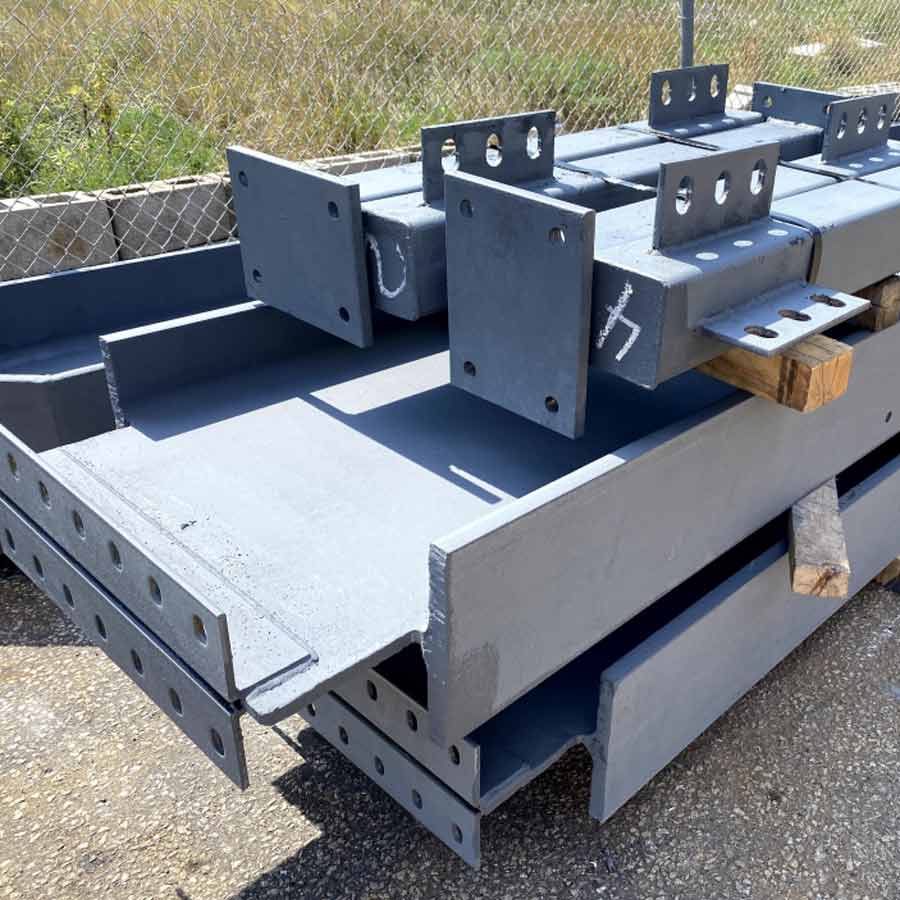
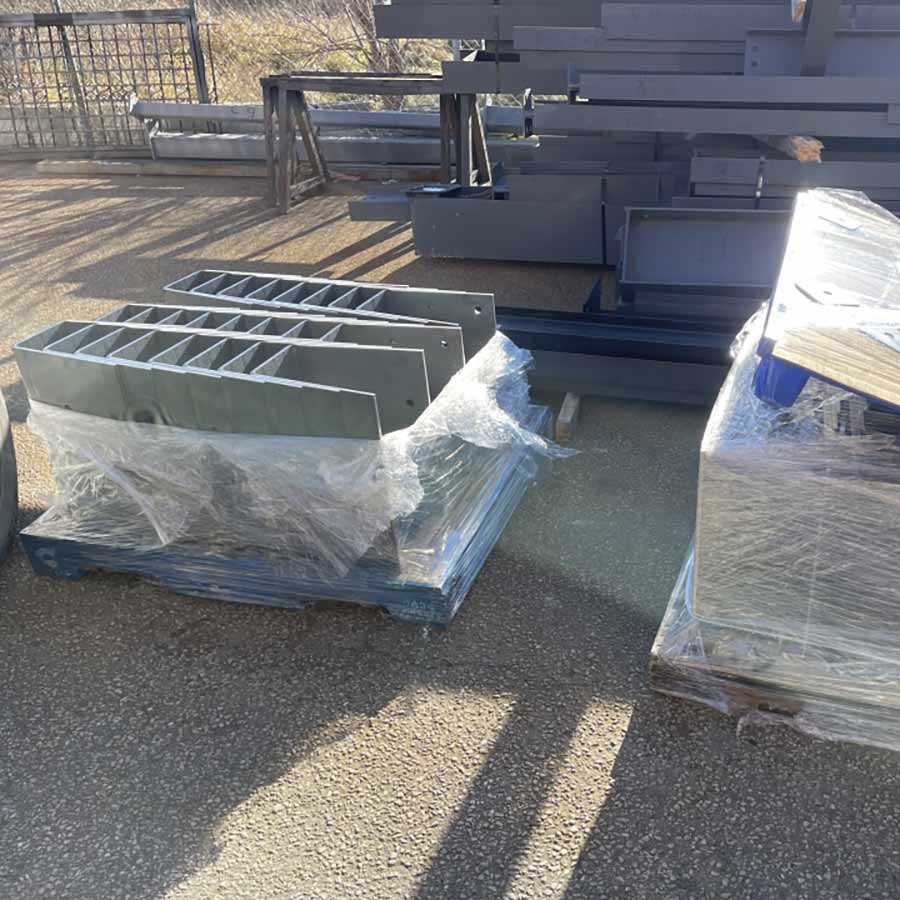
Custom supports, brackets, mounts and fabricated components based on project drawings, specifications and equipment requirements.
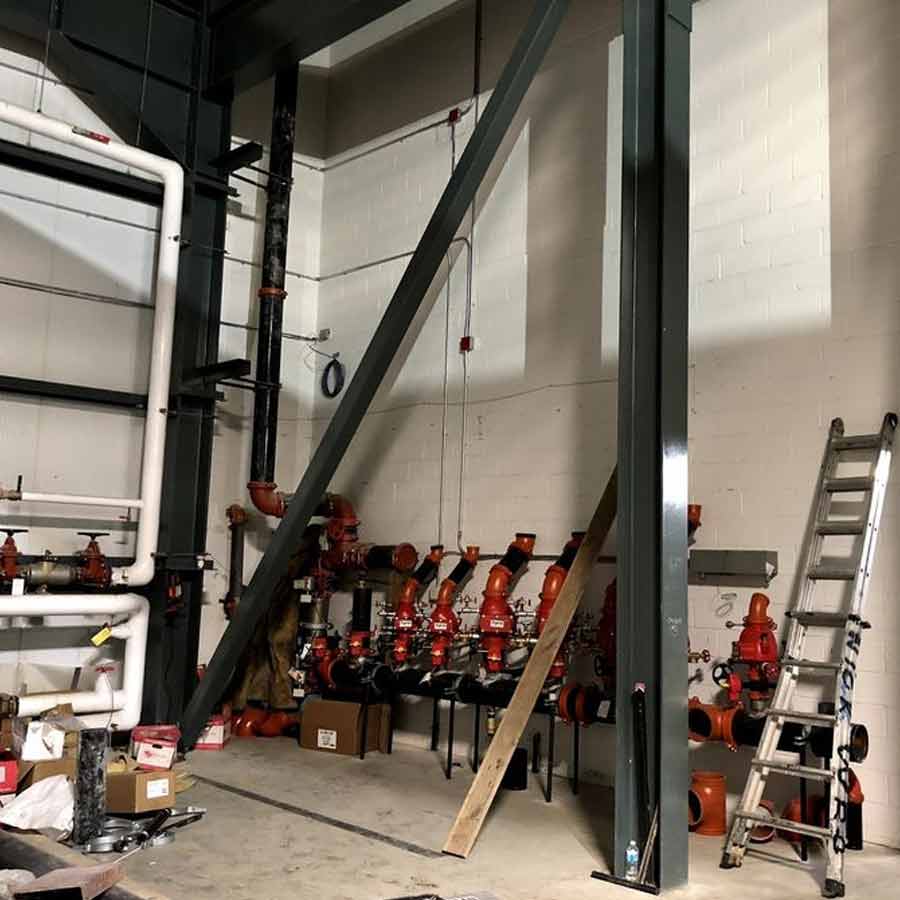
Fabricated steel frames, access platforms, equipment platforms and support structures for contractor-coordinated installation.
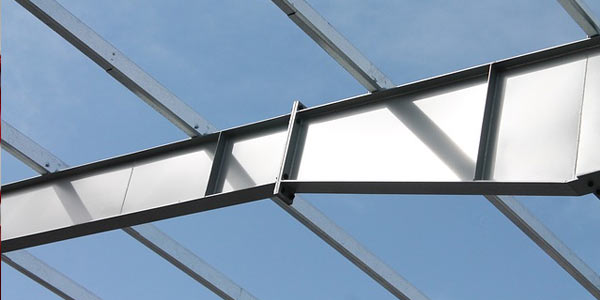
Beams, columns and structural steel components required as part of approved construction or modification work.
Industrial steel stairs, access stairs, stringers, landings and related fabricated assemblies.
Industrial railings, guardrails, barriers and safety-related fabricated steel components.
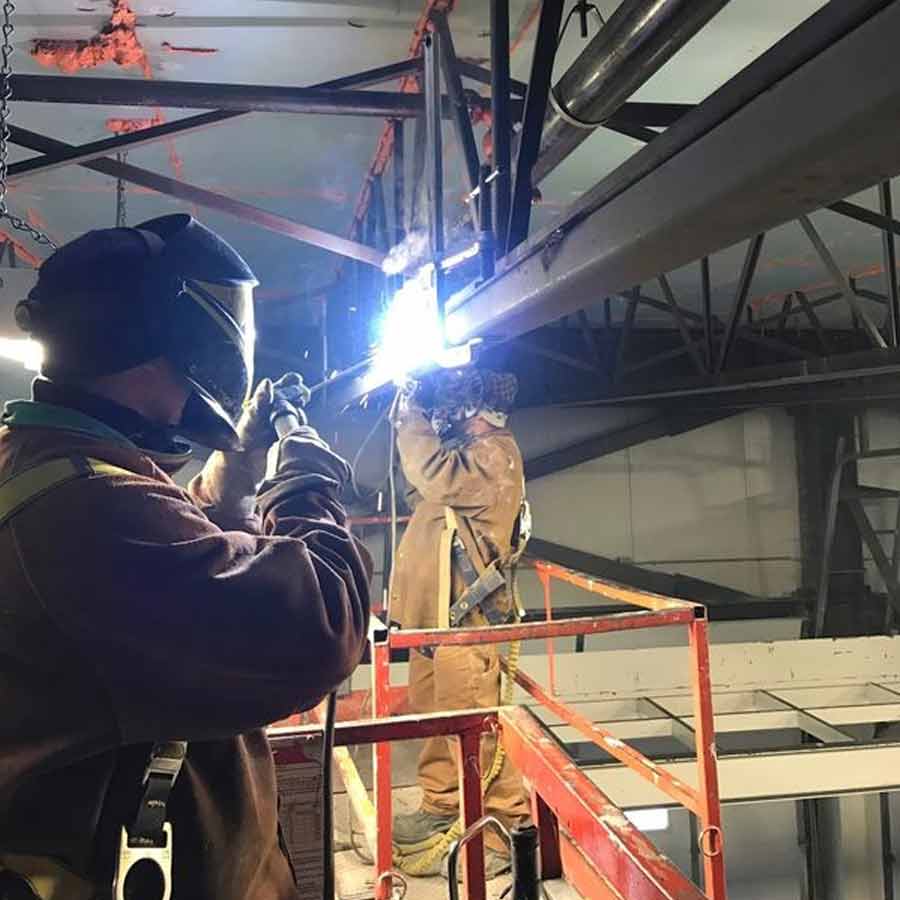
Mobile welding, field modifications, reinforcement, repairs and installation support where site conditions require work to be completed in place.
Materials & Fabrication
Equipment support systems and steel brackets must be fabricated from structural-grade materials and assembled using connection methods that ensure load stability, vibration control, and long-term performance in commercial environments.
Structural Steel Materials
Material Type | Typical Use | Key Characteristics |
|---|---|---|
Carbon Steel (CSA G40.21) | Primary equipment frames and brackets | High strength, cost-effective, widely used |
Structural Plate Steel | Machinery bases and heavy-duty mounts | Suitable for concentrated and dynamic loads |
Stainless Steel | Corrosive or clean environments | Corrosion resistance, durability |
Aluminum (where applicable) | Light-duty equipment supports | Reduced weight, corrosion resistance |
Connection & Assembly Methods
Method | Application | Benefits |
|---|---|---|
Welded Connections | Permanent equipment supports | Maximum rigidity and load transfer |
Bolted Assemblies | Modular or adjustable supports | Easier installation and future modifications |
Anchor Bolts & Base Plates | Floor- and slab-mounted systems | Secure load transfer to structure |
Isolation Pads & Mounts | Vibration-sensitive equipment | Reduces noise and operational vibration |
Protective Finishes & Coatings
Finish | Indoor | Outdoor | Benefits |
|---|---|---|---|
Shop Primer | Yes | Limited | Temporary corrosion protection |
Powder Coating | Yes | Yes | Durable finish for exposed supports |
Hot-Dip Galvanizing | Yes | Yes | Long-term corrosion resistance |
Epoxy & Industrial Coatings | Yes | Yes | Protection in harsh environments |
Engineering & Compliance Notes
Key considerations
Equipment support systems and steel brackets must be engineered to safely transfer loads, maintain stability, and perform reliably under continuous operational conditions in commercial facilities.
Support systems must be designed to handle static loads, operational forces, and vibration generated by mechanical and industrial equipment. Proper load assessment is essential to prevent fatigue, movement, and long-term structural issues.
Anchoring methods and base connections must be selected to ensure safe load transfer into slabs, walls, or supporting structures. Connection design plays a critical role in stability and long-term performance.
Existing structures, available clearances, and access limitations influence support configuration and installation methods. Each system must be adapted to site-specific conditions without interfering with adjacent equipment or operations.
Equipment supports and brackets must align with applicable Ontario Building Code provisions and workplace safety requirements, particularly where equipment loads affect occupied or operational areas.
Gallery
View selected Weld Rich & Steel projects demonstrating structural frames, equipment supports, platforms, stairs, railings and commercial fabrication capabilities.
FAQ
Most commercial equipment supports are custom-fabricated to match equipment loads, mounting conditions, and site constraints. This ensures proper fit, stability, and long-term performance.
Yes. Equipment supports can incorporate vibration-isolation components and specialized mounting details to reduce operational vibration and noise transfer.
Rooftop supports are designed to account for environmental exposure, wind loads, and roof conditions, while interior supports focus on load transfer and integration within occupied spaces.
In many cases, yes. Supports that carry significant loads or affect building structure typically require engineer-reviewed designs and may require permits under the Ontario Building Code.
Timelines depend on complexity and site conditions. Most equipment support systems are fabricated within 1–2 weeks, with installation coordinated to minimize disruption to facility operations.
For projects requiring on-site adjustments, modifications, or field-installed equipment supports, explore our Mobile Welding & On-Site Fabrication services. Browse all services on our Commercial Structural Steel Fabrication page.
Applications
Weld Rich & Steel can work within a larger construction and trade ecosystem, providing a defined fabrication and installation scope for equipment, infrastructure, access and facility modifications.
Applicable steelwork may support:
Ontario Fabrication & Project Support
Weld Rich & Steel provides local fabrication and field support for contractors, project teams and facility operators working on data centre and other critical infrastructure projects across Ontario.
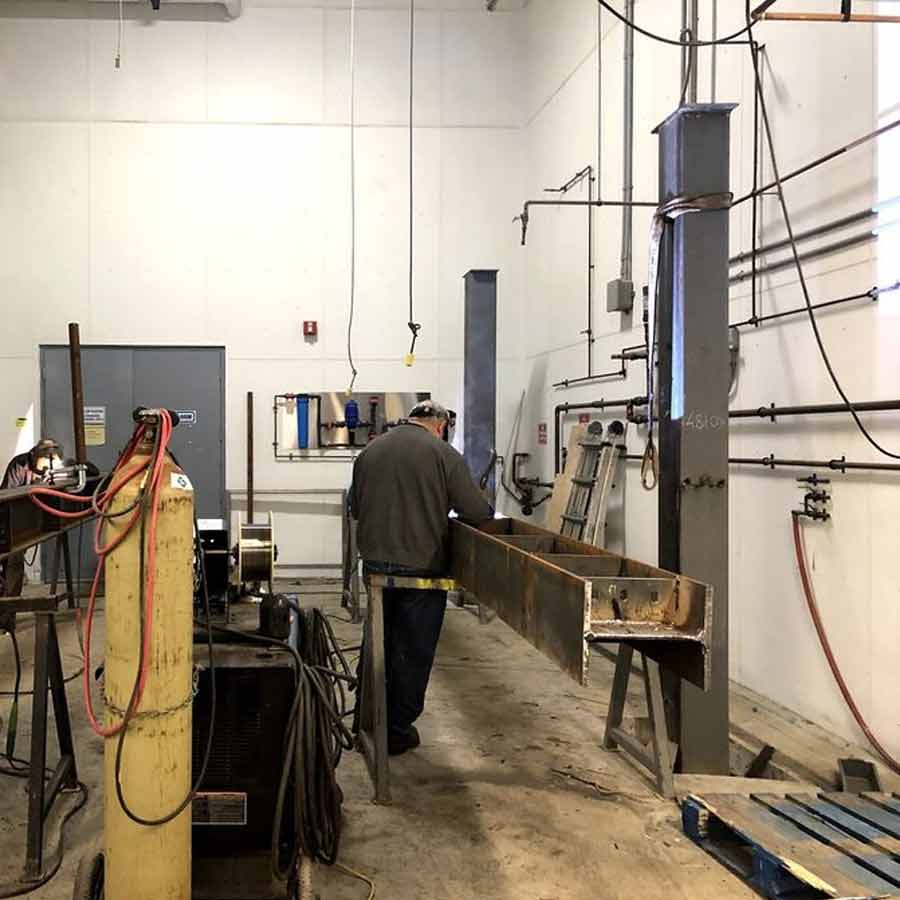
Our Concord fabrication facility supports project-based production of equipment frames and machinery bases, platforms and structural components, access systems and miscellaneous steel, with on-site welding and modifications available when field conditions require them.
Working with an Ontario fabricator can simplify project coordination, site communication, delivery scheduling and field adjustments while providing direct access to the fabrication team throughout the project.
Fabrication and project coordination from our Concord facility for projects across Toronto, the GTA and Ontario.
Fabrication based on supplied or approved drawings with coordination around installation requirements, sequencing and site conditions.
Shop fabrication backed by mobile welding, installation support and field modifications when project conditions change.
Steel fabrication for new equipment, facility modifications, infrastructure upgrades and operational expansion projects.
Have drawings or an upcoming Ontario project?
Equipment support systems and steel brackets are engineered to safely carry concentrated equipment loads, manage vibration, and transfer forces into supporting structures in accordance with applicable Ontario and Canadian regulations. All systems are designed to align with the Ontario Building Code (OBC), Occupational Health and Safety Act (OHSA), and relevant CSA Group standards for structural steel and welded construction. Fabrication and welding are performed by CWB-certified welders, ensuring consistent quality, durability, and regulatory compliance for commercial and industrial facilities.
Authoritative references:
Tell us about your project and upload a photo or sketch.
We’ll review the details and contact you shortly.