
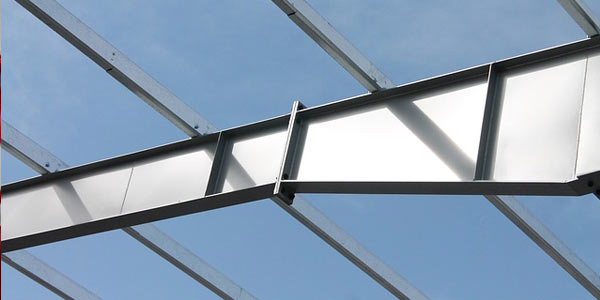
In structural steel fabrication, there is no margin for error. A deviation of just a few millimetres or a microscopic flaw in a weld can compromise the integrity of an entire building. Quality Control (QC) is the rigorous process of ensuring that every component leaving the shop meets the exact specifications of the engineering drawings and the safety requirements of the Ontario Building Code.
Quality control connects the supplied drawings, fabrication requirements and agreed inspection plan. For a structural steel package, establish who supplies material records, who performs each inspection and what documentation is required before work is released.
Phase One: Incoming Material Inspection
Quality starts with the raw material. Before a single cut is made, we verify the integrity of the steel:
- Material records: Confirm the required grade and request the mill test reports or traceability documents specified for the package.
Surface Inspection: Checking for laminations, heavy rust, or mill scale that could affect weld quality or paint adhesion.
Phase Two: Precision Cutting and Fitting
The accuracy of the final installation depends on the precision of the initial fabrication.
- Cutting and preparation: Select the cutting method and tolerances to suit the material, connection details and approved fabrication information.
- Fit-up inspection: Check dimensions, hole locations, alignment and joint preparation against the current drawings before final welding.
Phase Three: Weld Quality Assurance
Weld quality review should follow the applicable project specification and welding standard. Confirm inspection responsibilities and required records before fabrication.
- Visual inspection: Review accessible weld surfaces against the specified acceptance criteria. Visual inspection alone cannot establish the absence of internal discontinuities.
Non-destructive testing: When the project requires UT, magnetic-particle testing or another method, confirm the qualified inspection provider, timing and reporting requirements.
Ultrasonic Testing (UT): Using sound waves to find internal flaws.
Magnetic Particle Inspection (MPI): To detect surface and near-surface cracks in ferromagnetic materials.
Phase Four: Coating and Corrosion Protection
Durability is defined by how well the steel resists the environment, especially in Ontario’s harsh winters.
- Surface preparation: Follow the coating supplier’s preparation specification and the project requirements; cleanliness and surface profile affect adhesion.
Dry Film Thickness (DFT) Testing: Measuring the thickness of the protective coating to ensure it meets the specified micron level for long-term corrosion resistance.
Final Documentation and Delivery
Documentation should be agreed for the package. Depending on the specification, required records may include:
Final as-built measurements.
Welding inspection reports.
Galvanizing or painting certificates.
Expert Insight: Precision in the shop means faster erection on-site. Learn more about our full Structural Steel Fabrication process.
FAQ: Quality Control in Fabrication
Why is precision in metal fabrication so important?
Precision ensures that structural components fit perfectly during site erection. Poor QC leads to “field fixes,” which are expensive, time-consuming, and can weaken the overall structure.
How often is the fabrication equipment calibrated?
Calibration and equipment checks should follow the equipment manufacturer’s instructions and the project quality plan. Request relevant calibration records where the specification requires them.
What is the difference between Quality Control (QC) and Quality Assurance (QA)?
QC is the operational process of checking the product (the “doing”), while QA is the set of planned activities that ensure the QC process is working correctly (the “system”).
Plan Your Next Project
Explore our commercial structural steel fabrication services and read the related project guide. For a scope review, send your drawings or photographs, project location and required fabrication or installation work.