
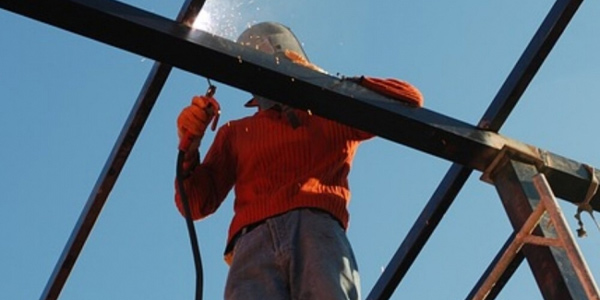
Structural Welding: A Project Guide to Codes and Quality. This guide explains what a project team should clarify before fabrication or field work.
Start with design responsibilities
Structural welding connects members according to the project’s engineered details. The required loads, member selection, connection geometry and approvals must be established by the responsible design professionals. A fabrication guide does not provide an alternative to those calculations.
Know the roles of the standards
CSA W47.1 addresses company certification for fusion welding of steel. CSA W59 covers welded steel construction, and CSA S16 concerns steel structure design. The applicable editions and additional project requirements should be identified in the specification. AWS references may also appear, but equivalency must not be assumed without project review.
Specify material and traceability
Confirm the specified steel grade and required material records. Weldability depends on more than a single carbon-equivalent threshold. Chemistry, thickness, consumables, restraint and the qualified procedure all influence welding controls. Material substitution needs appropriate review.
Prepare and fit the joint
Use current approved fabrication information. Check joint preparation, access, fit-up, alignment and the permitted tolerances before welding. Resolve discrepancies through the project’s approval process rather than changing structural details without authorization.
Match qualifications and procedures
Verify company certification and the qualifications required for personnel, process and position. Apply the welding procedure and environmental controls specified for the work. Preheat, interpass and any heat-treatment requirements must come from the applicable technical documents.
Inspect to the project requirements
Visual inspection and NDT have different capabilities. Define the responsible inspection provider, test extent, acceptance criteria and hold points before work begins. A generic table cannot establish acceptance of a particular structural weld.
Close out the work
Record required inspections, approved changes and repair dispositions. Coordinate coating restoration and final documentation. For an enquiry, send drawings, specification, location, site access and the proposed fabrication/installation scope so outstanding information can be identified early.
Plan Your Next Project
Explore our commercial structural steel fabrication services and read the related project guide. For a scope review, send your drawings or photographs, project location and required fabrication or installation work.
Reference: CWB company certification. Confirm applicable standards, editions and project requirements with the responsible professionals.